Regular maintenance is crucial to keep your car running smoothly and prevent costly repairs down the road. One essential aspect of maintenance is a tune-up, which involves inspecting and adjusting various components of your vehicle to ensure optimal performance. Wondering how to tell if your car requires a tune-up? Continue reading to find out.
What Is A Tune-Up?
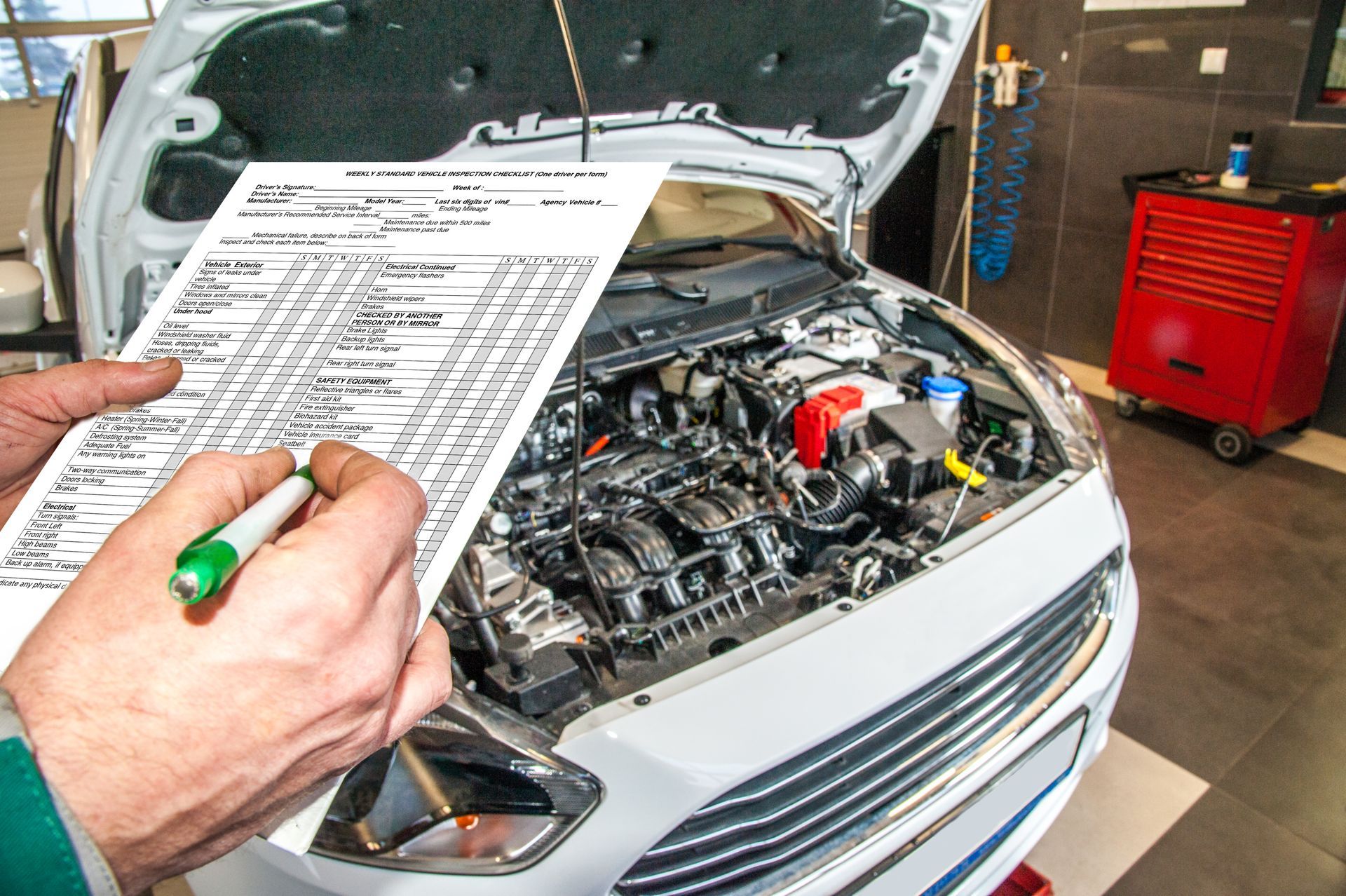
A tune-up is a comprehensive service aimed at ensuring that your vehicle's engine and related components are functioning optimally. During a tune-up, a skilled mechanic will inspect, adjust, and replace various parts to restore your car's performance and efficiency. This service typically includes:
- Examination of ignition system components such as spark plugs, ignition coils, and ignition wires to ensure proper firing and combustion.
- Inspection and adjustment of timing and idle speed to improve engine operation.
- Inspection, cleaning, or replacement of fuel system components including the fuel filter, fuel injectors, and throttle body to maintain proper fuel delivery and combustion.
- Check and, if necessary, replace the air filter to ensure optimal airflow.
- Inspection and maintenance of the PCV valve to prevent crankcase pressure buildup.
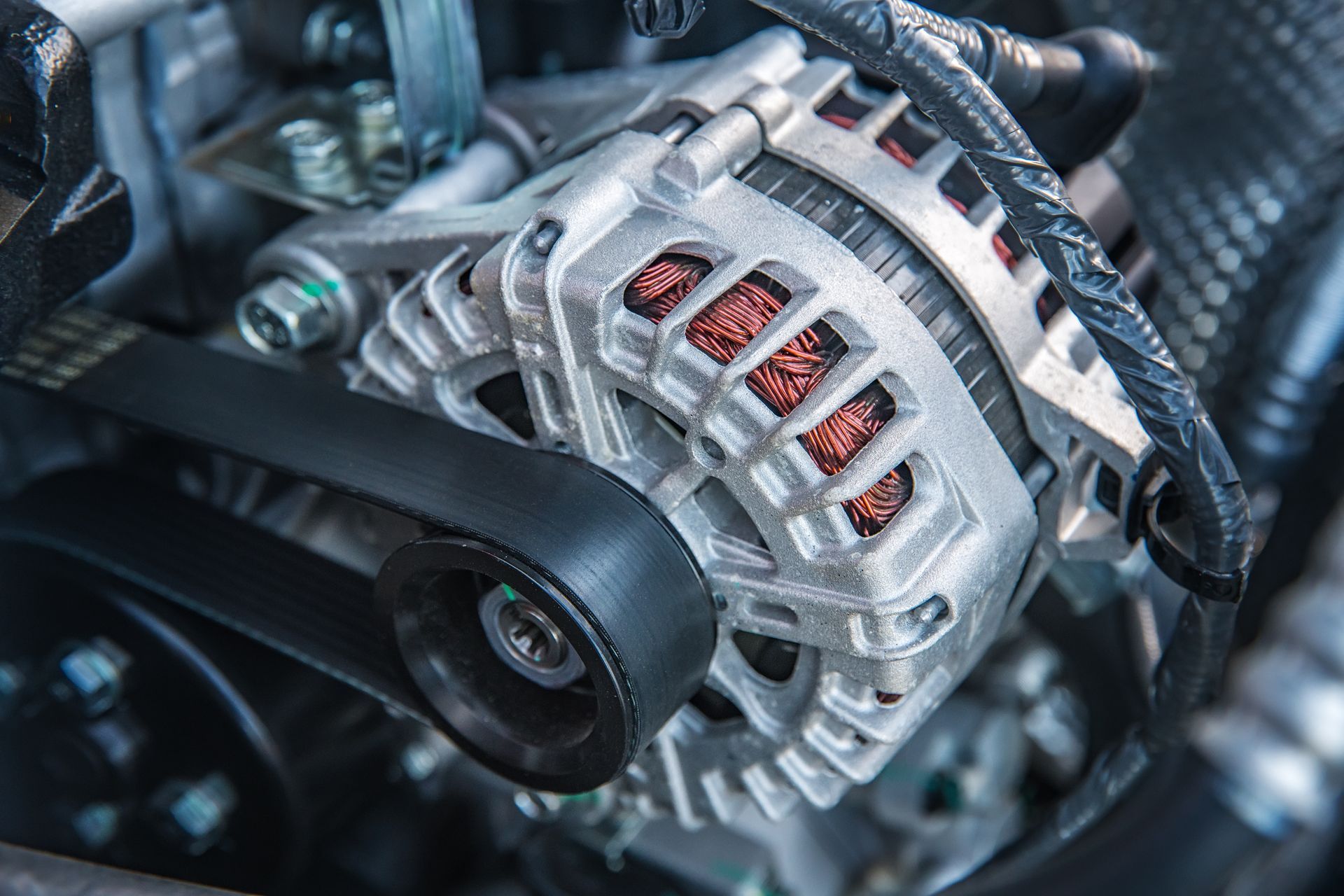
- Examine belts and hoses for wear and tear, with replacements as needed.
- Check fluid levels and perform an oil change to maintain engine lubrication and cooling efficiency.
1. Is Your Gas Mileage Dropping?
One of the first signs that your car may need a tune-up is a noticeable decrease in fuel efficiency. If you find yourself making more frequent trips to the gas station or noticing a significant drop in your gas mileage, it could be a sign that your vehicle's engine is not running as efficiently as it should. A tune-up can address issues such as clogged fuel injectors, dirty air filters, or worn spark plugs, helping improve fuel economy and save you money at the pump.
2. Engine Misfires and Rough Idling
Another common indication that your car needs a tune-up is engine misfires or rough idling. If you experience jerking or hesitation when accelerating, or if your engine idles roughly or stalls unexpectedly, it may be due to issues with spark plugs, ignition coils, or fuel delivery systems. Tune-ups can identify and address these issues, restoring smooth engine operation and improving overall drivability.
3. Does Your Car Feel Slow?
Over time, wear and tear on engine components can lead to a decrease in power and performance. If your car feels sluggish or struggles to accelerate, it may be a sign that it's time for a tune-up. During a tune-up, mechanics can inspect and adjust engine timing, replace worn or damaged components, and perform necessary adjustments to restore your vehicle's power and performance to optimal levels.
4. Strange Noises and Vibrations
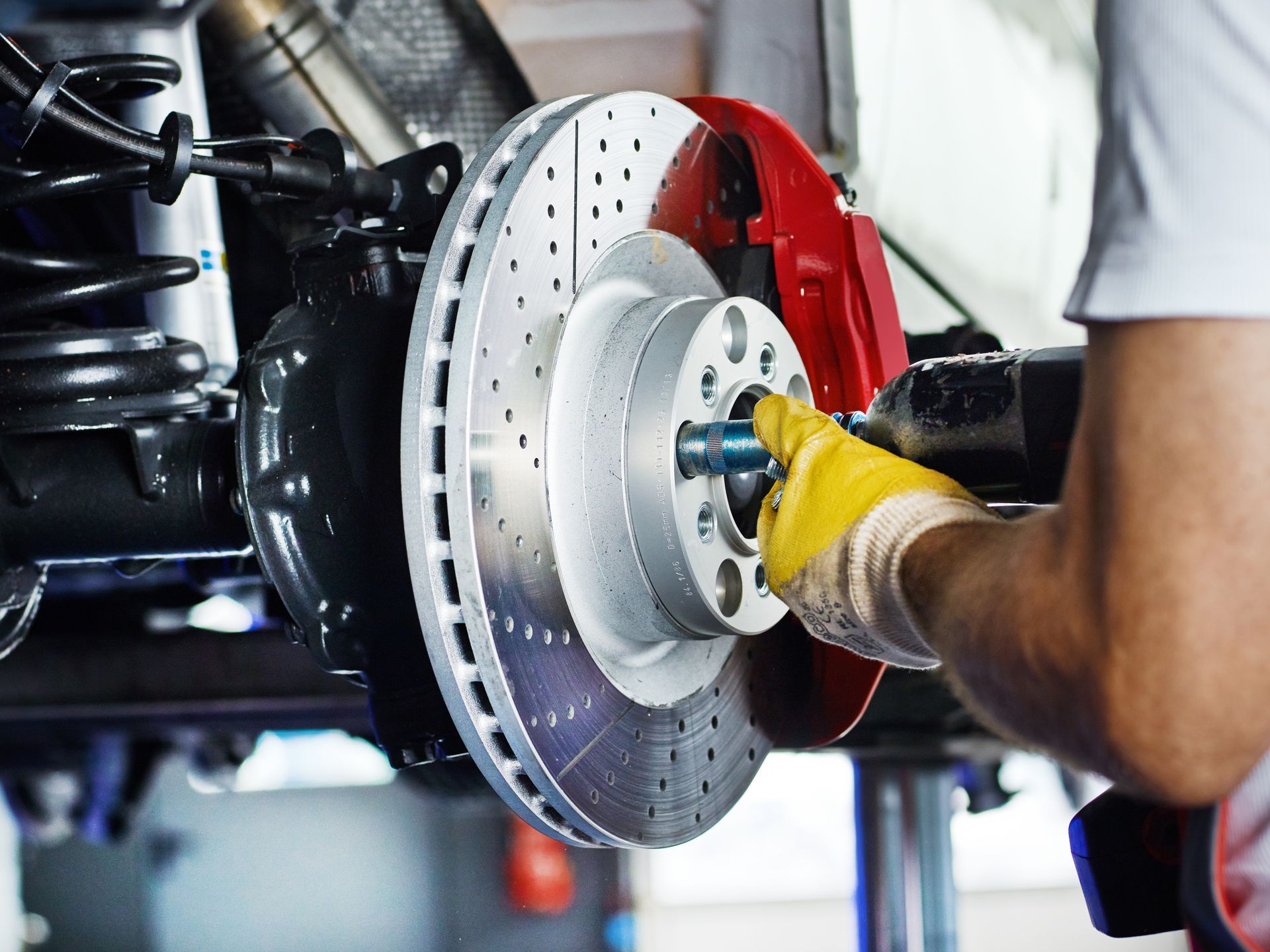
Unusual noises such as knocking, pinging, or rattling coming from your engine or exhaust system could indicate underlying issues that require attention. Additionally, vibrations or shaking felt while driving may be a sign of worn suspension components or engine misfires. A thorough inspection during a tune-up can identify the source of these noises and vibrations, allowing for timely repairs to prevent further damage and ensure a smooth and quiet ride.
5. Are Any Warning Lights Illuminated?
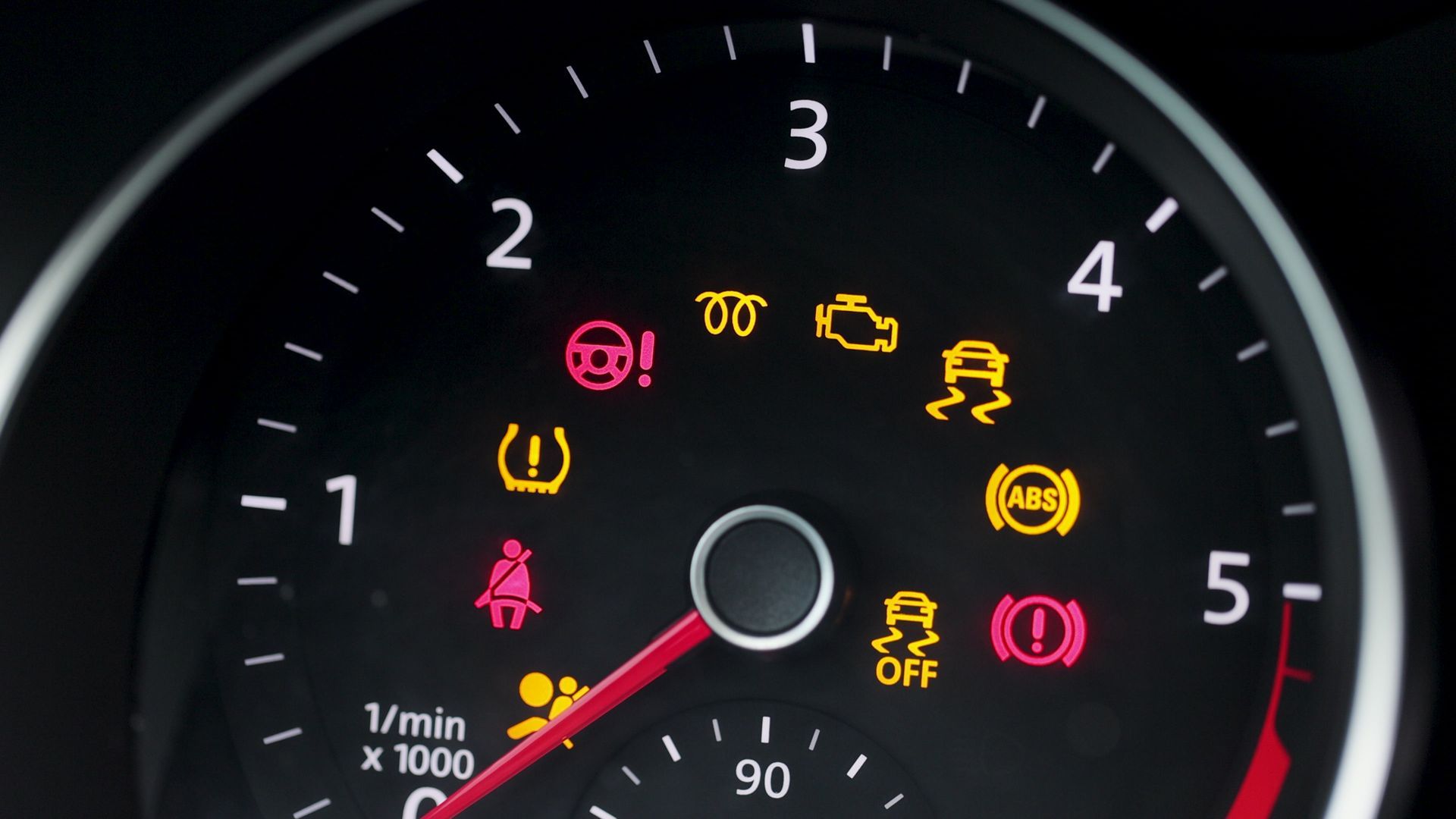
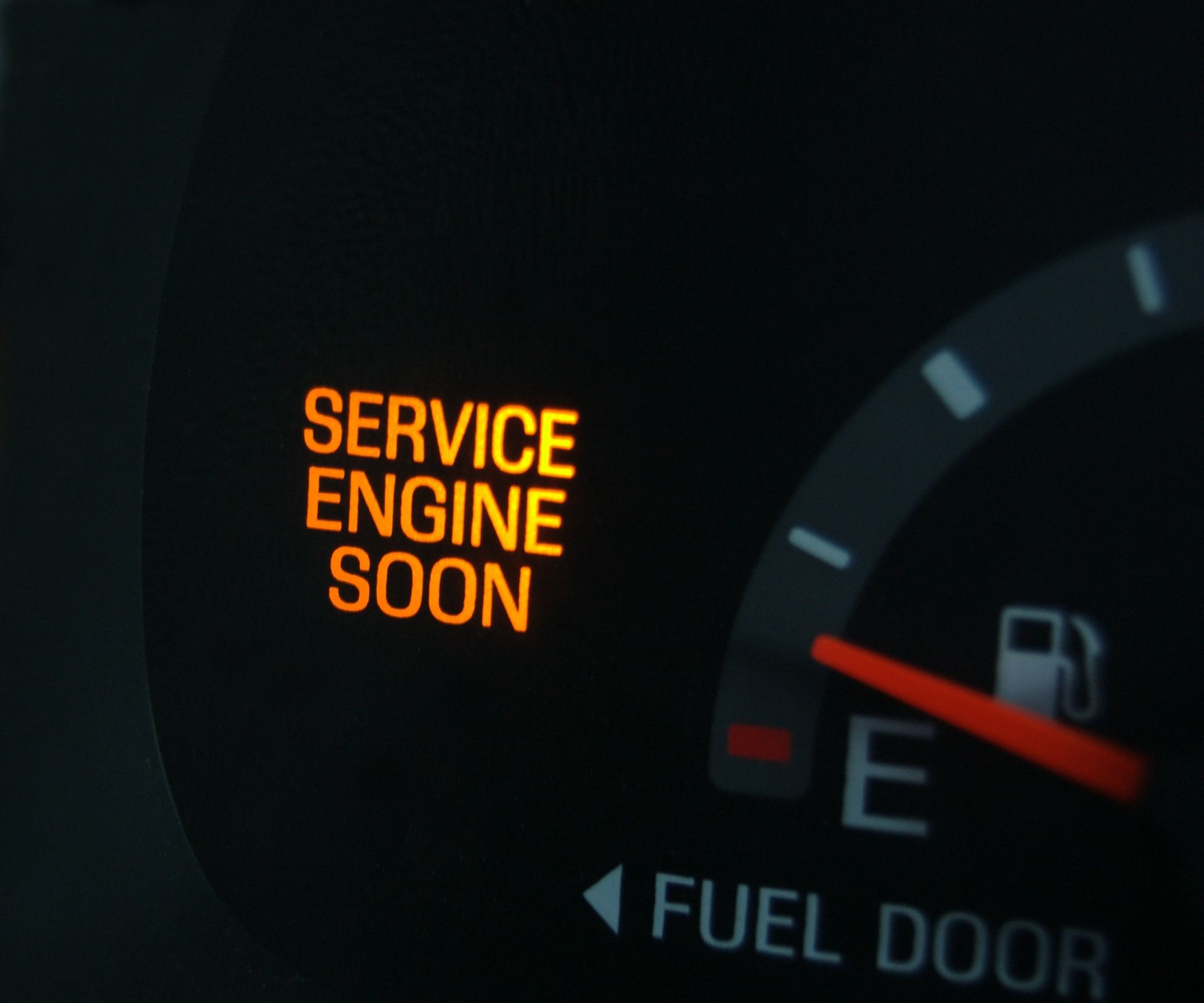
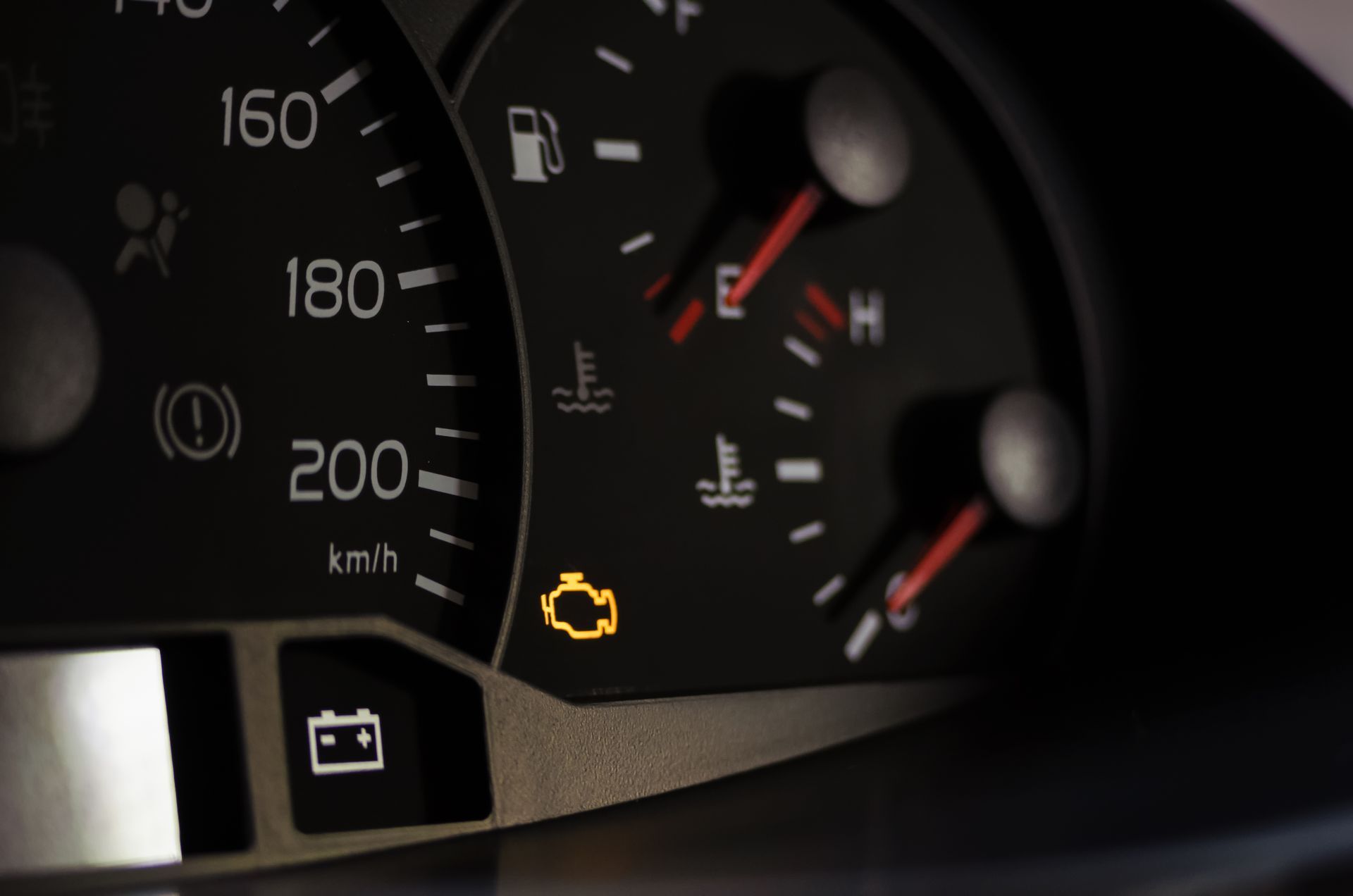
Modern vehicles are equipped with onboard diagnostic systems that monitor various vehicle systems and alert drivers to potential issues through warning lights on the dashboard. If you notice any warning lights illuminated, such as the check engine light, it's essential to have your vehicle inspected as soon as possible. Ignoring warning lights can lead to more severe problems and costly repairs down the line.
On the lookout for expert tune-ups in Shakopee and Spring Lake Park, The team at Trusted Wrench Automotive is here to help! We are the local answer to all things car-related.