Ever wondered how your car manages to stop so effectively when you press the brake pedal? It's not magic—it's the result of a well-engineered braking system that uses friction to convert your car's kinetic energy into heat. This process is critical for controlling your vehicle's speed and ensuring safe driving whether you're cruising down the highway or navigating through city traffic, understanding how your brakes work can give you a greater appreciation for this vital component.
The Basics of Car Braking Systems
To comprehend how car brakes function, it's essential to understand the fundamental components and mechanisms involved. At the heart of most braking systems are two types of brakes: disc brakes and drum brakes.
Disc Brakes
Disc brakes are the most common type of brakes found in modern vehicles. They consist of a brake disc, also known as a rotor, which is attached to the wheel. When you press the brake pedal, hydraulic fluid transfers the force to a caliper, which squeezes the brake pads against the rotor. This action generates friction, slowing down the wheel and, consequently, the car.
Drum Brakes
While less common in newer vehicles, drum brakes are still in use, especially on the rear wheels of some cars. Drum brakes feature a brake drum attached to the wheel. When the brake pedal is pressed, brake shoes inside the drum are pushed outward against the drum's interior surface, creating friction and slowing the vehicle.
The Role of Friction in Braking
Friction is the key player in the braking process. When the brake pads clamp down on the rotor (in disc brakes) or the brake shoes press against the drum (in drum brakes), friction is generated. This friction converts the kinetic energy of the moving vehicle into thermal energy (heat), effectively slowing down and stopping the car.
Friction Materials
Brake pads and shoes are made from high-friction materials designed to withstand significant heat and wear. These materials include metallic, ceramic, and organic compounds, each offering different benefits in terms of performance, durability, and cost.
Hydraulics
The braking system relies on hydraulics to transfer the force from the brake pedal to the brake pads or shoes. When you press the brake pedal, it pushes a piston in the master cylinder, which in turn compresses brake fluid in the brake lines. This fluid transmits the force to the calipers or wheel cylinders, activating the brakes.
Brake Fluid
Brake fluid is a critical component in the hydraulic system. It's specially formulated to operate under high pressure and temperature without boiling or leaking. Regularly checking and replacing your brake fluid is essential for maintaining an effective braking system.
Anti-lock Braking System (ABS)
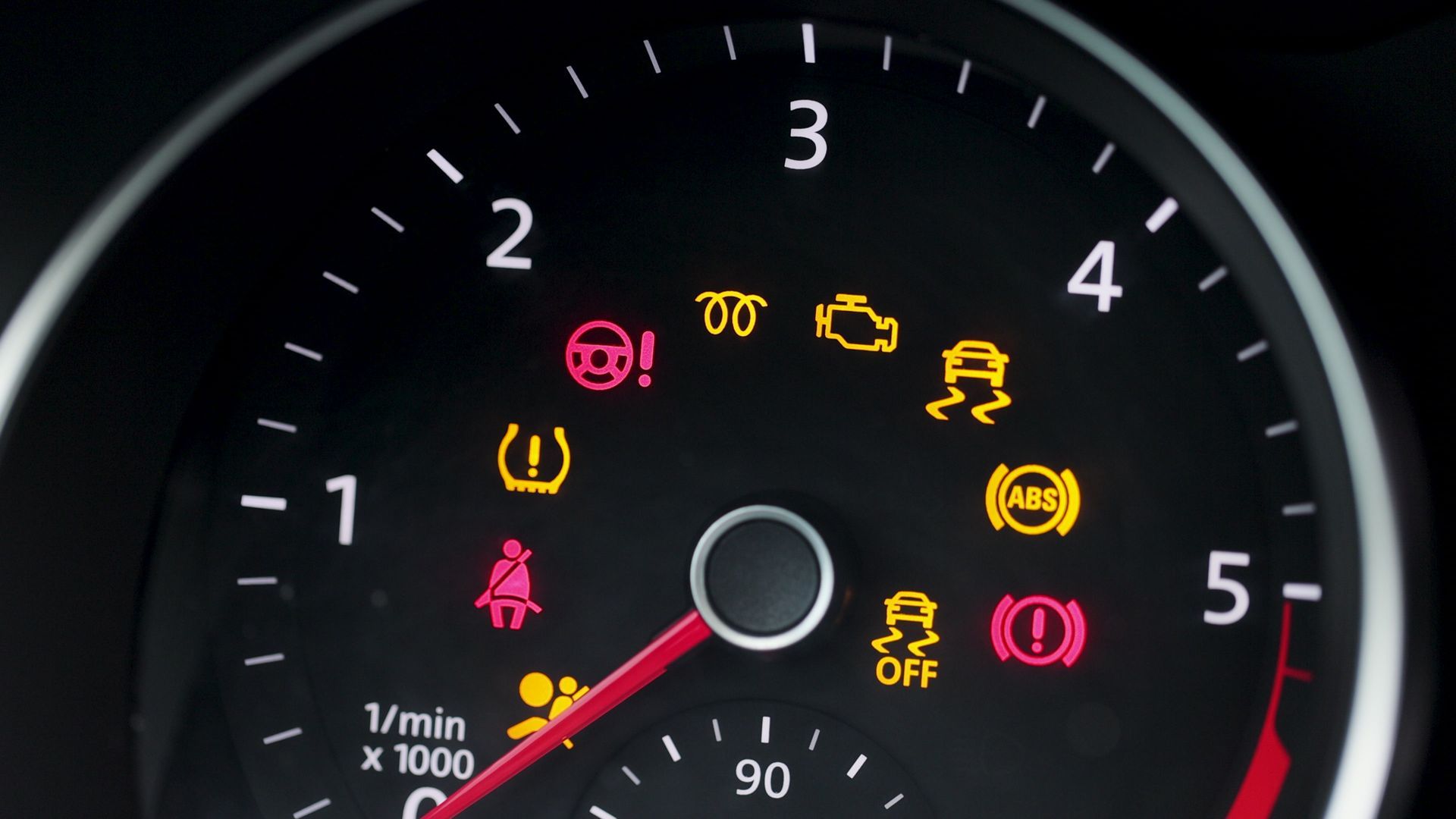
Modern vehicles are equipped with Anti-lock Braking Systems (ABS), which prevent the wheels from locking up during hard braking. ABS uses sensors to monitor wheel speed and modulates brake pressure to maintain traction and steering control. This technology is particularly beneficial in emergency situations, reducing the risk of skidding and improving overall vehicle safety.
Brake Maintenance
Regular maintenance is required to ensure your brakes function correctly. Here are some essential tips for keeping your braking system in good condition:
1. Check Brake Pads and Shoes
Inspect your brake pads and shoes regularly for wear. Thin or worn-out pads can reduce braking efficiency and damage other components, such as the rotors or drums.
2. Monitor Brake Fluid Levels
Ensure your brake fluid is at the correct level and replace it as recommended by your vehicle's manufacturer. Low or contaminated brake fluid can impair your braking system's performance.
3. Listen for Unusual Noises
Pay attention to any squealing, grinding, or clicking sounds when braking. These noises can indicate worn-out pads, shoes, or other issues that require immediate attention.
4. Regular Professional Inspections
Have your brakes inspected by a professional regularly. We can identify potential problems early and ensure your braking system is functioning optimally.
The Importance of Braking Performance
Understanding how car brakes work underscores the importance of maintaining them in peak condition. Brakes are not just a convenience - they are a critical safety feature. Whether you're making a routine stop or responding to an emergency, reliable brakes are essential for safe driving.
Having trouble with your brakes? Visit
Trusted Wrench Automotive for a comprehensive brake inspection and maintenance service. Your safety is our priority!