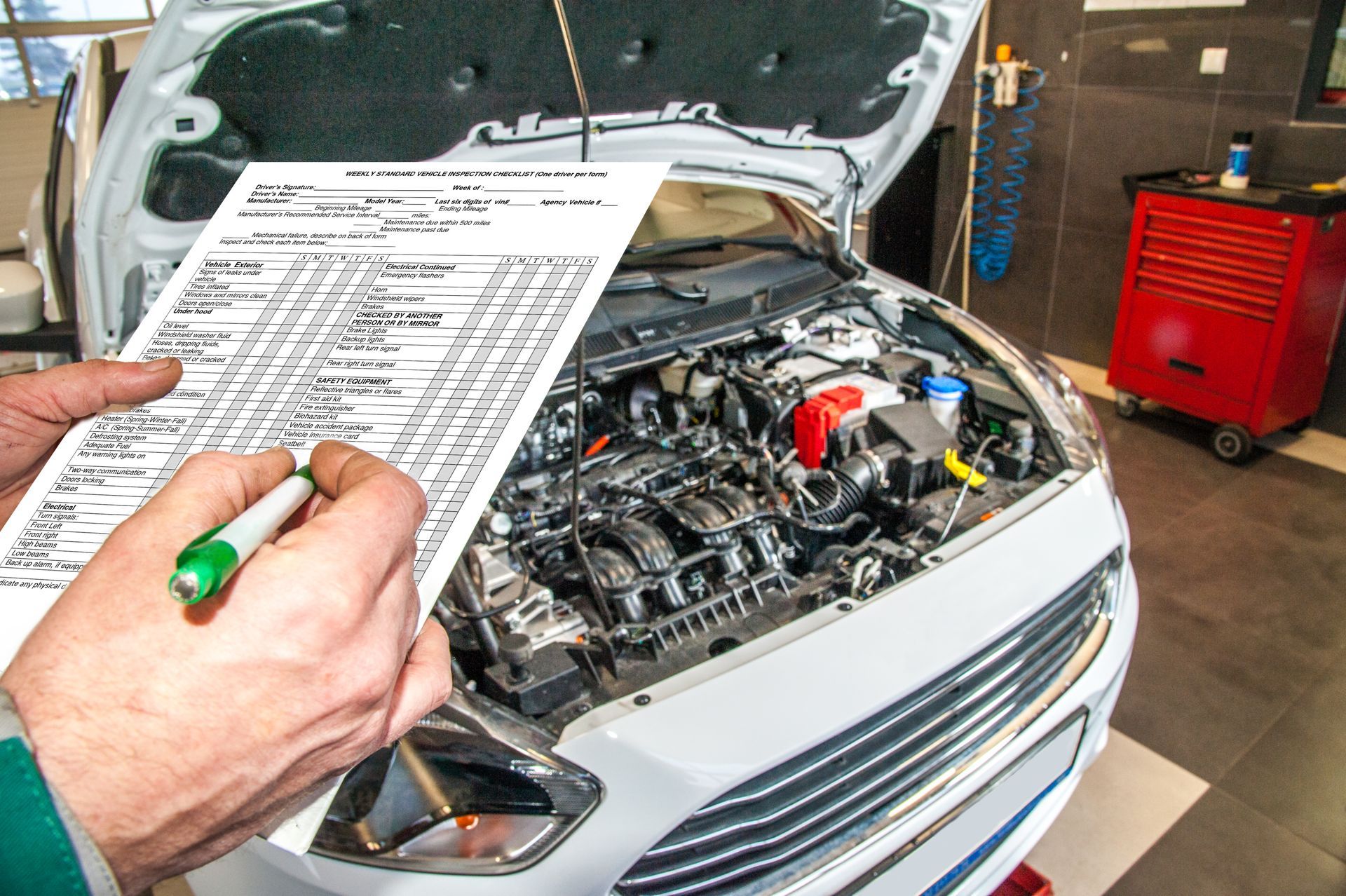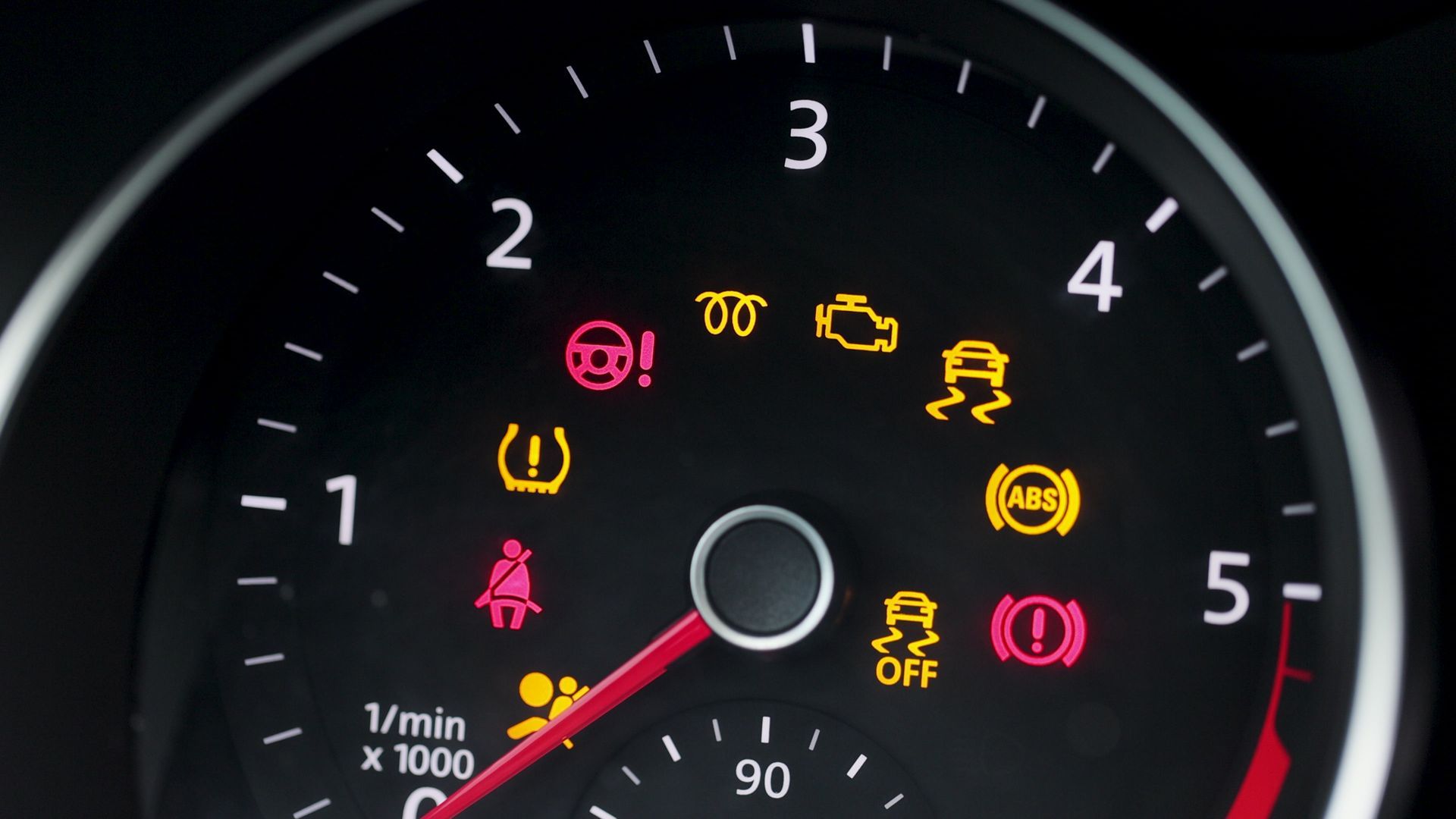
As winter bids farewell and spring emerges, it's time to give your car the attention it deserves for a smooth transition. The shift in seasons brings new challenges and opportunities for your vehicle's performance and overall well-being. Here's a complete guide to help you transition your car seamlessly from winter chill to spring thrill.
1. Fluid Check-Up
The first step in preparing your car for spring is ensuring all fluids are at their optimal levels. Check the engine oil, transmission fluid, brake fluid, coolant, and windshield washer fluid. Top up or replace fluids as needed to guarantee your car operates efficiently in milder temperatures.
2. Tire Inspection and Rotation
Winter roads can be harsh on your tires. Check for signs of wear, including tread depth and any visible damage. Rotate your tires to ensure even wear and enhance longevity. Consider switching from winter to all-season or summer tires if you made the switch to snow tires during the colder months.
3. Battery Health Check
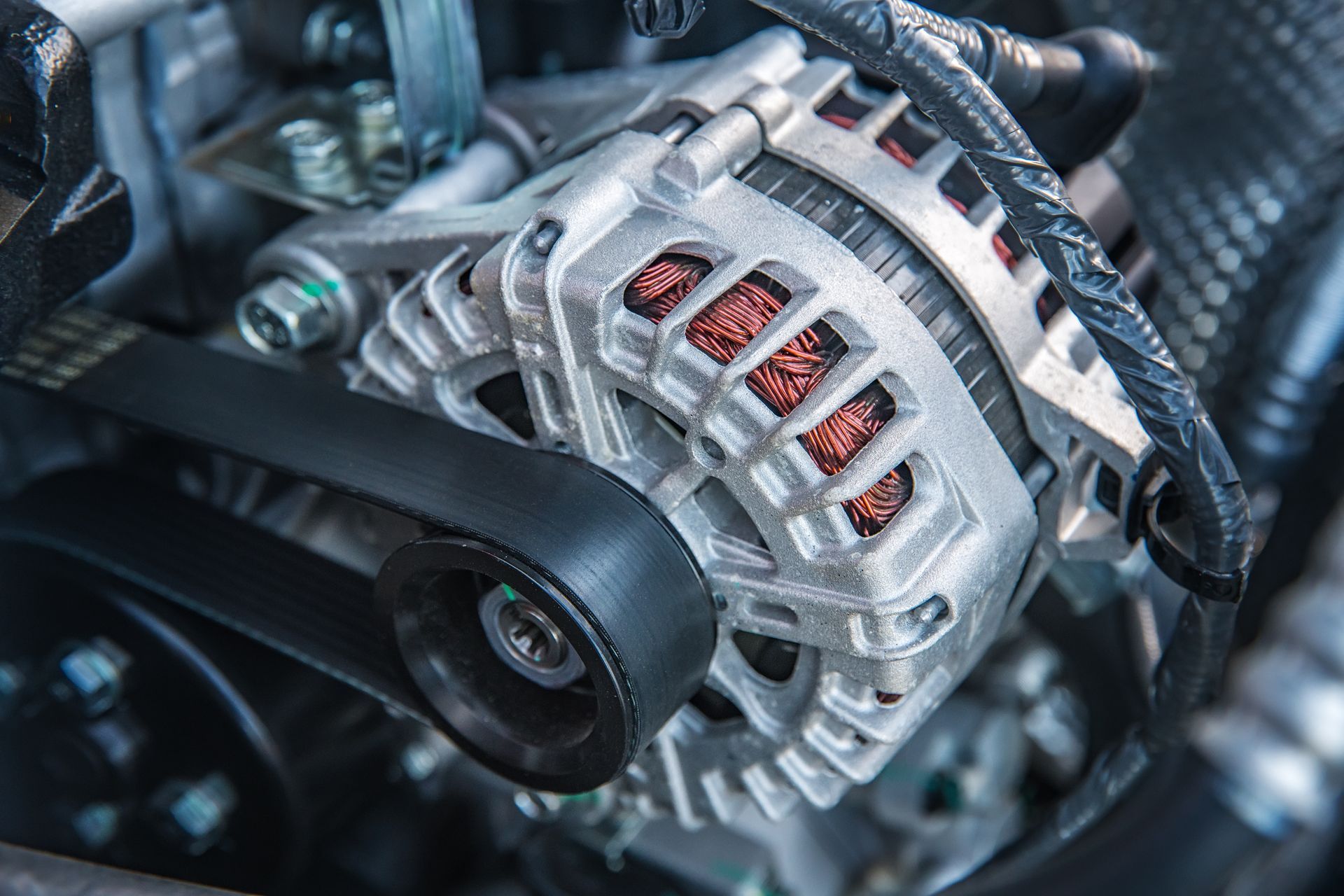
Cold weather can take a toll on your car battery. Have a professional check the battery's charge and overall health. Clean any corrosion from the terminals and ensure a secure connection. If your battery is several years old, it might be wise to consider a replacement to avoid unexpected breakdowns.
4. Alignment and Suspension Inspection
Winter potholes and rough roads can impact your car's alignment and suspension. Have these components inspected and realigned if necessary? Proper alignment ensures optimal handling and tire wear, contributing to a smoother driving experience.
5. Wash and Wax
Winter road salt and grime can accumulate on your car's exterior. Give your vehicle a thorough wash to remove salt and debris, paying extra attention to the undercarriage. Applying a fresh coat of wax protects the paint from spring showers and enhances its overall shine.
6. Air Filter Replacement
A clean air filter is essential for optimal engine performance. Replace the air filter if it's dirty or clogged to ensure proper airflow to the engine, leading to improved fuel efficiency and overall engine health.
7. Brake Inspection
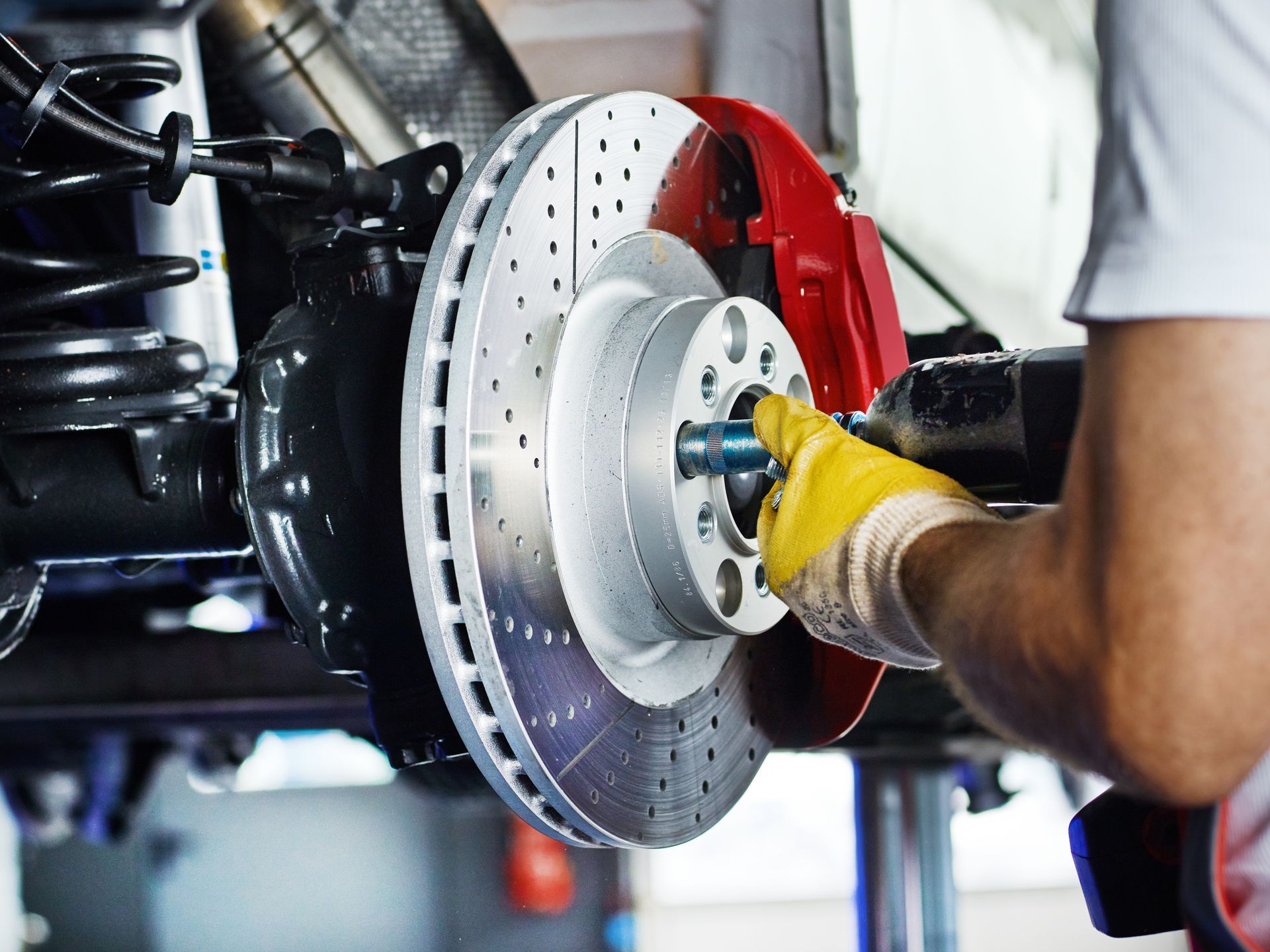
Winter driving often involves increased use of brakes. Have your brakes inspected for wear and tear. Replace brake pads if needed, and check the brake fluid level. Reliable brakes are crucial for safe driving in any season.
8. Check Lights and Wipers
Ensure all exterior and interior lights are functioning correctly. Replace any burnt-out bulbs, and check the alignment of headlights. Additionally, inspect and replace worn wiper blades for clear visibility during spring showers.
9. AC System Check
As temperatures rise, you'll likely rely on your car's air conditioning system. Have the AC system inspected, recharge refrigerant if necessary, and ensure all components are in working order for a comfortable driving experience in warmer weather.
10. Emergency Kit Update
Finally, review and update your car's emergency kit. Ensure it includes essential items like a first aid kit, flashlight, jumper cables, and any seasonal necessities such as sunscreen and bug spray.
By following these tips, you'll prepare your car for the transition from winter to spring, ensuring a smooth and reliable driving experience. Embrace the warmer seasons with confidence by bringing your car to Trusted Wrench Automotive. We can give you the confidence needed to know your vehicle is ready to tackle the road ahead.