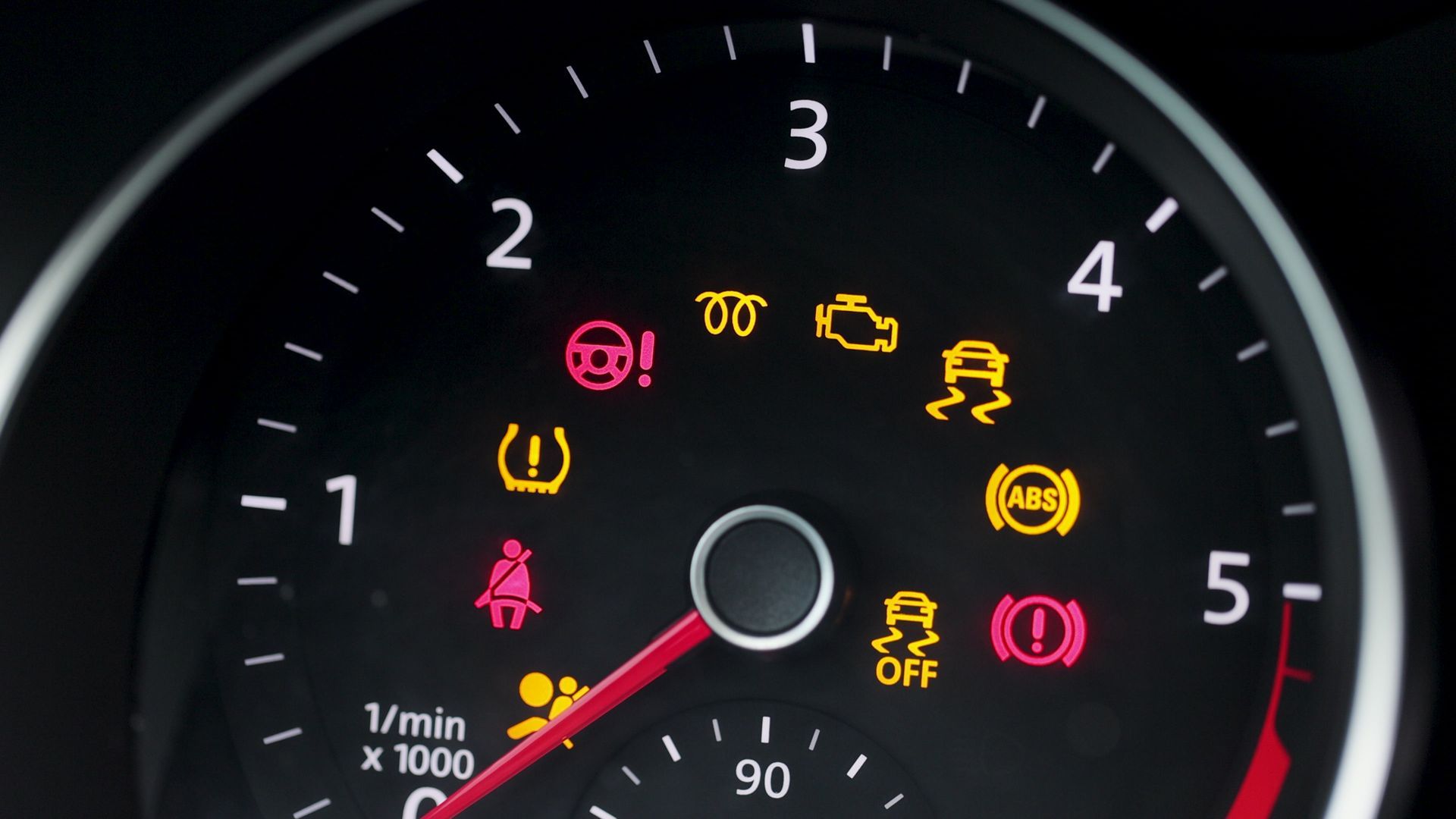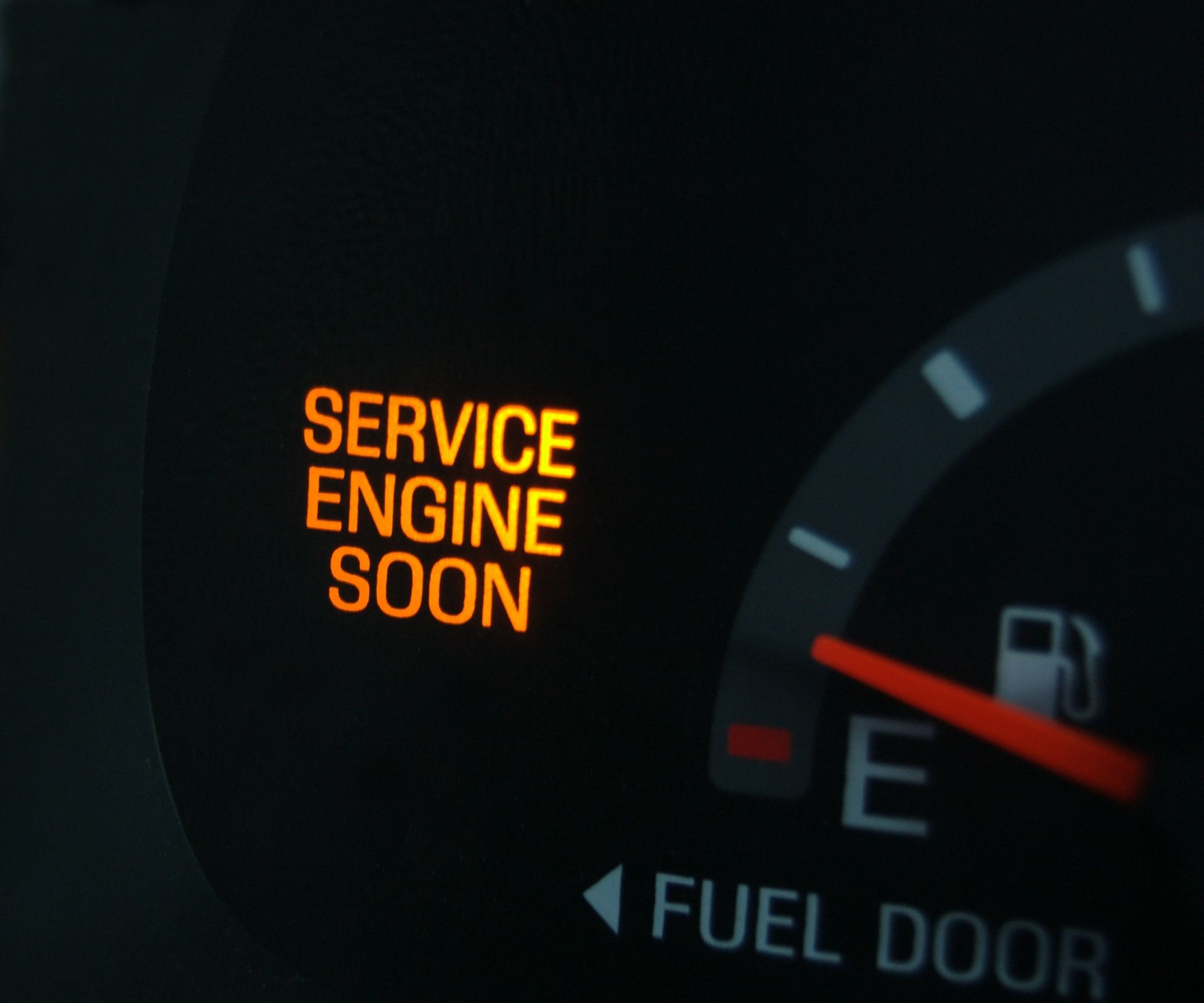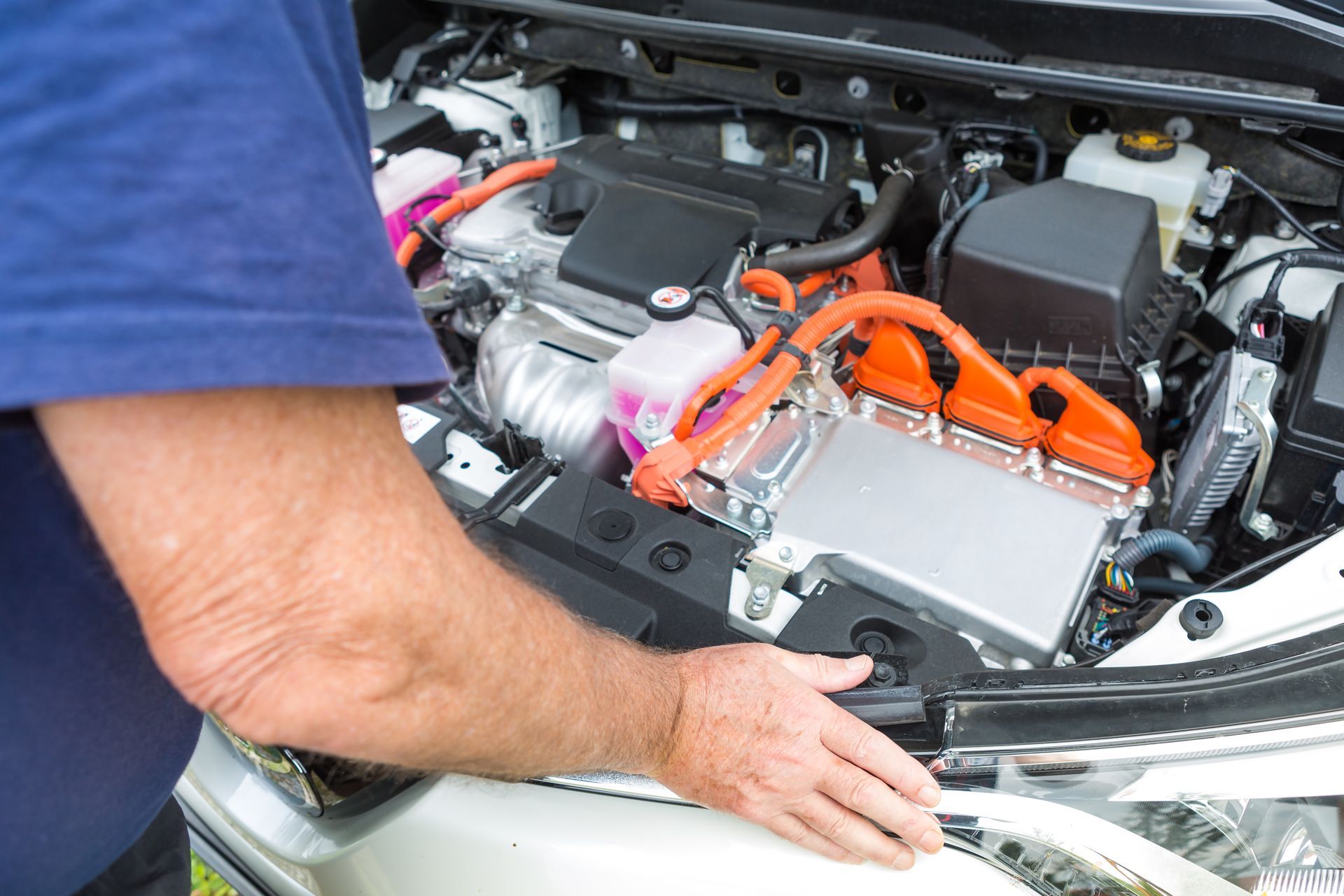
The check engine light on your dashboard is a vital indicator of your vehicle's health. When this warning light illuminates, it's your car's way of communicating that something requires attention. However, not all check engine light signals are created equal. Understanding the difference between a steady and flashing check engine light is essential for determining the urgency of the issue.
Steady Check Engine Light
A steady check engine light is a common occurrence and often indicates a less severe issue. While it signals a problem that needs attention, it typically suggests a non-emergency situation. Here are some common reasons for a steady check engine light:
Sensor Issues:
Many times, a steady light is triggered by faulty sensors, such as the oxygen sensor or the mass airflow sensor. These components play crucial roles in monitoring and adjusting your vehicle's performance.
Loose Gas Cap:
Surprisingly, a loose or improperly sealed gas cap can trigger the check engine light. If your cap is not tightly secured, it can lead to issues with the fuel system, prompting the light to illuminate.
Emission Control System:
Problems within the emission control system, such as a malfunctioning catalytic converter, can also result in a steady check engine light. While not an immediate emergency, addressing these issues promptly is essential for environmental and long-term vehicle health.
Ignition System Malfunctions:
Issues with the ignition system, like a malfunctioning spark plug or ignition coil, can trigger a steady check engine light. These components affect your vehicle's performance but may not require immediate attention.
Flashing Check Engine Light
A flashing check engine light, on the other hand, demands urgent action. Unlike the steady light, a flashing signal indicates a severe problem that can cause significant damage to your vehicle. Here are some reasons for a flashing check engine light:
Catalytic Converter Damage:
A damaged catalytic converter can trigger a flashing check engine light. Ignoring this warning could result in further harm to your vehicle and potentially lead to more expensive repairs.
Misfiring Engine:
Engine misfires, caused by issues like a failing spark plug or a malfunctioning ignition coil, can result in a flashing check engine light. Immediate attention is necessary to prevent further damage to the engine.
Transmission Issues:
Problems with the transmission, such as slipping or failing components, can lead to a flashing check engine light. Transmission issues are critical and require immediate professional assessment.
Severe Engine Problems:
Any severe engine problems, such as a sudden drop in oil pressure, can trigger a flashing check engine light. Ignoring this warning may lead to irreversible damage to the engine.
A steady check engine light suggests a problem that requires attention but may not be an immediate emergency. In contrast, a flashing check engine light demands urgent action, as it indicates a severe issue that can lead to significant damage if not addressed promptly.
We’re here to help you stay informed about these signals so that you can feel empowered and take proactive steps to maintain your vehicle's health. Turn to Trusted Wrench Automotive for all your automotive needs – we accept appointments online and over the phone for your convenience!